Of course this will end up with a lot of negative consequences, but in principle I don’t disagree with being somewhat more permissive. European risk models with regards to chemicals have always been about absolute (ie. 100%) safety, which simply does not exist. Sometimes one must also weigh the risks of one chemical vs another, for example the pesticides used in “organic” farming are hundreds of times more dangerous to humans and the environment compared to relatively modern replacements such as glyphosate.
Here is some background and sources. I would like to kindly reinforce that I did not say that glyphosate is not dangerous, rather that it is less dangerous than many other common pesticides. There are no certainties in risk assessment, only relative safety and acceptable vs unacceptable risks. Please also keep in mind that I will limit this response to discussing the carcinogenic angle. There are other reasons why we should be careful about pesticide usage, such as breeding resistance to them in target species and diminishing biodiversity, but I think those critiques apply to all pesticides and capitalist industrial farming practices in general rather than to one specific substance.
The current day activism, litigation, and legal bans surrounding glyphosate can be traced back to the 2015 report by the IARC (International Agency for Research on Cancer, a WHO agency) which classified glyphosate as a class 2B carcinogen, based on admittedly limited evidence (more on this classification system later). This report was scientifically questionable for many reasons (1, 2, 12, 13), such as cherry-picking source literature. It was also ethically inadmissible due to an obscene conflict of interest in the person of the Chair of the IARC committee which wrote the paper (3), yet that slight issue went completely unreported as the Chairperson himself never disclosed the fact that he was working on behalf of lawyers preparing to sue Monsanto (the original patent holder of glyphosate). That he has been an anti-pesticide activist his whole life was apparently not disqualifying enough. Of course, now that I mention Monsanto, it’s a really easy villain. Everyone loves to hate Monsanto. So why not find a modern product they make, find out how awful it is (or invent evidence thereof), and sue the living hell out of them (US$11B and counting).
Meanwhile the EU, German, US, and many other chemical regulatory agencies have for decades and sill do consider glyphosate safe for its intended purpose (4 - 6, 14). Hell, even the WHO itself considers it safe for its intended use (7)! Here is a unpaywalled and translated interview with the head of the pesticides department at the German Federal Institute for Risk Assessment (BfR). Not only does he discuss glyphosate specifically but toxicology, risk assessment, and the regulatory process more broadly (8). As an addition, here is a chart which shows the toxic dose (LD50) of many everyday chemicals (9). I am personally interested to note that the vitamin D I have been giving my baby and taking myself has the same LD50 as cyanide.
And to return to the IARC categorizations, what we have is a very simple hazard classification relating specifically to causing cancer (10). Only Class 1 has sufficient evidence, whereas 2B, the class glyphosate was assigned, only requires limited evidence in humans and less than sufficient evidence in animals. Belonging to Class 1 are everyday things like sunlight, tobacco, and alcohol. It’s also important to draw the distinction between hazard and risk: simply, risk is the probability a hazard will cause harm, and how severe that harm could be. So even when we can prove that Substance X causes cancer in rats when we all but drown the rats in Substance X, it may very well still be safe enough to use for its intended purpose. This also ignores other factors such as the vector (is it by ingesting, inhaling, skin contact, etc.), or mode of action, where different biological factors in organisms determine what can be highly toxic for one species and unproblematic in others (dogs and chocolate being a common example). For these reasons and others, some toxicologists are calling for an end to the current IARC classification scheme and have proposed a more risk based model (11).
I will leave it at that for now, but I am happy to continue the discussion.
I mean, I can absolutely not fault you for not providing a written analysis or sources. Thank you for that.
I cant say I’m currently able to check your sources so I will take you at face value for now. Its also not my core field so i guess there are people more qualified to have a critical discussion about this.
What I do think would make sense is make an essay about this and put it on substack or some other medium as this is probably an important discussion. I just dont think it will be seen by all the right people on here as - although obviously quite skilled in deduction - most of us are not in the field. You did a lot of good work and it would be a waste if it wasnt getting the exposure it deserves. Maybe consider it.
That said, if I have time to go through the sources or decide to get into the topic i will definitely come back to you. Until then, I consider myself educated by thorough explanation and sources provided.

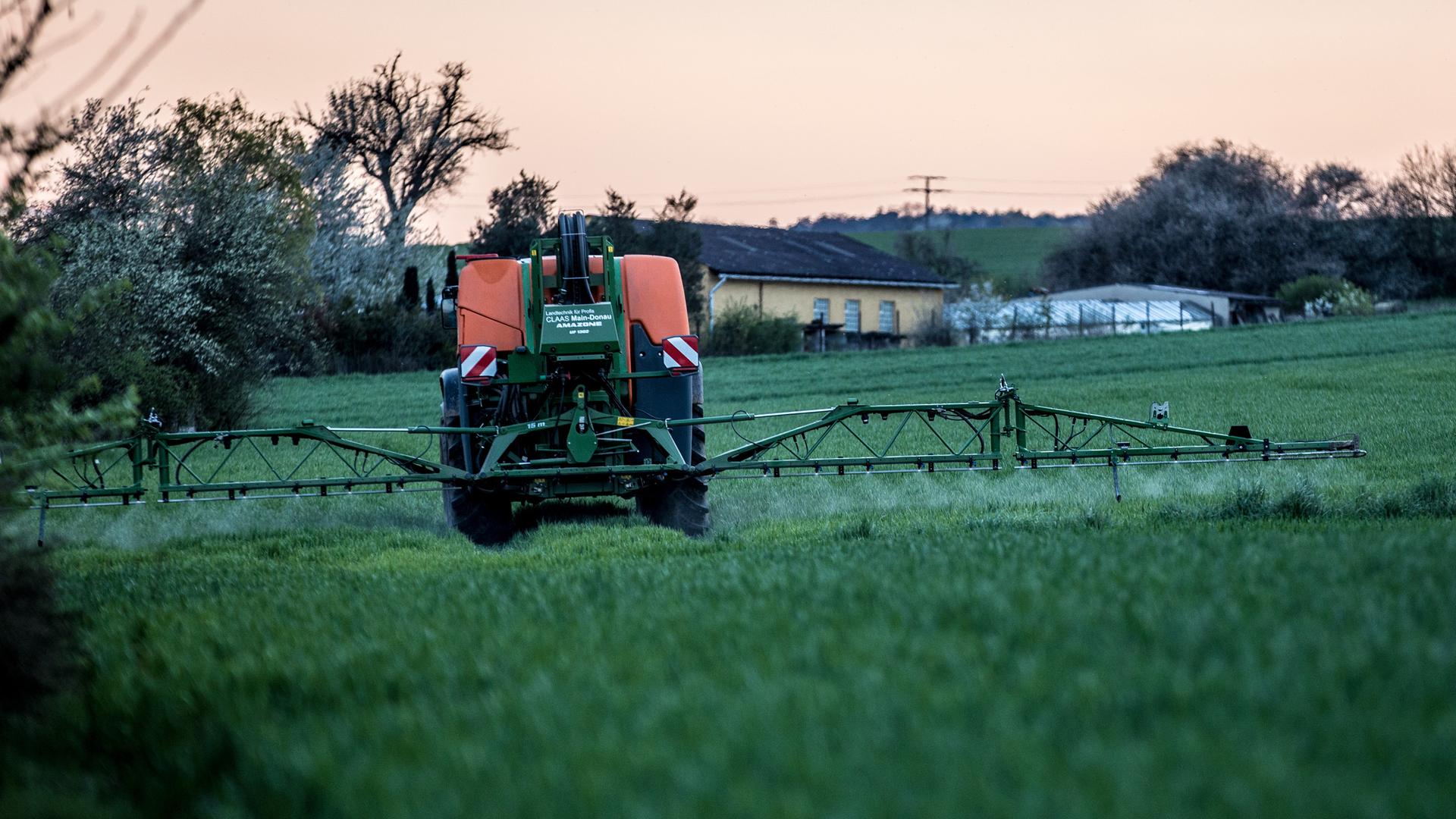
Of course this will end up with a lot of negative consequences, but in principle I don’t disagree with being somewhat more permissive. European risk models with regards to chemicals have always been about absolute (ie. 100%) safety, which simply does not exist. Sometimes one must also weigh the risks of one chemical vs another, for example the pesticides used in “organic” farming are hundreds of times more dangerous to humans and the environment compared to relatively modern replacements such as glyphosate.
I dont think glyphosate is not dangerous, comrade. Are you sure? Can you source that claim please?
Here is some background and sources. I would like to kindly reinforce that I did not say that glyphosate is not dangerous, rather that it is less dangerous than many other common pesticides. There are no certainties in risk assessment, only relative safety and acceptable vs unacceptable risks. Please also keep in mind that I will limit this response to discussing the carcinogenic angle. There are other reasons why we should be careful about pesticide usage, such as breeding resistance to them in target species and diminishing biodiversity, but I think those critiques apply to all pesticides and capitalist industrial farming practices in general rather than to one specific substance.
The current day activism, litigation, and legal bans surrounding glyphosate can be traced back to the 2015 report by the IARC (International Agency for Research on Cancer, a WHO agency) which classified glyphosate as a class 2B carcinogen, based on admittedly limited evidence (more on this classification system later). This report was scientifically questionable for many reasons (1, 2, 12, 13), such as cherry-picking source literature. It was also ethically inadmissible due to an obscene conflict of interest in the person of the Chair of the IARC committee which wrote the paper (3), yet that slight issue went completely unreported as the Chairperson himself never disclosed the fact that he was working on behalf of lawyers preparing to sue Monsanto (the original patent holder of glyphosate). That he has been an anti-pesticide activist his whole life was apparently not disqualifying enough. Of course, now that I mention Monsanto, it’s a really easy villain. Everyone loves to hate Monsanto. So why not find a modern product they make, find out how awful it is (or invent evidence thereof), and sue the living hell out of them (US$11B and counting).
Meanwhile the EU, German, US, and many other chemical regulatory agencies have for decades and sill do consider glyphosate safe for its intended purpose (4 - 6, 14). Hell, even the WHO itself considers it safe for its intended use (7)! Here is a unpaywalled and translated interview with the head of the pesticides department at the German Federal Institute for Risk Assessment (BfR). Not only does he discuss glyphosate specifically but toxicology, risk assessment, and the regulatory process more broadly (8). As an addition, here is a chart which shows the toxic dose (LD50) of many everyday chemicals (9). I am personally interested to note that the vitamin D I have been giving my baby and taking myself has the same LD50 as cyanide.
And to return to the IARC categorizations, what we have is a very simple hazard classification relating specifically to causing cancer (10). Only Class 1 has sufficient evidence, whereas 2B, the class glyphosate was assigned, only requires limited evidence in humans and less than sufficient evidence in animals. Belonging to Class 1 are everyday things like sunlight, tobacco, and alcohol. It’s also important to draw the distinction between hazard and risk: simply, risk is the probability a hazard will cause harm, and how severe that harm could be. So even when we can prove that Substance X causes cancer in rats when we all but drown the rats in Substance X, it may very well still be safe enough to use for its intended purpose. This also ignores other factors such as the vector (is it by ingesting, inhaling, skin contact, etc.), or mode of action, where different biological factors in organisms determine what can be highly toxic for one species and unproblematic in others (dogs and chocolate being a common example). For these reasons and others, some toxicologists are calling for an end to the current IARC classification scheme and have proposed a more risk based model (11).
I will leave it at that for now, but I am happy to continue the discussion.
Sources
Edit: Added sources 12-14
I mean, I can absolutely not fault you for not providing a written analysis or sources. Thank you for that.
I cant say I’m currently able to check your sources so I will take you at face value for now. Its also not my core field so i guess there are people more qualified to have a critical discussion about this.
What I do think would make sense is make an essay about this and put it on substack or some other medium as this is probably an important discussion. I just dont think it will be seen by all the right people on here as - although obviously quite skilled in deduction - most of us are not in the field. You did a lot of good work and it would be a waste if it wasnt getting the exposure it deserves. Maybe consider it.
That said, if I have time to go through the sources or decide to get into the topic i will definitely come back to you. Until then, I consider myself educated by thorough explanation and sources provided.
https://www.producer.com/crops/journal-pulls-long-cited-glyphosate-study-for-ethics-violations/
https://beyondpesticides.org/dailynewsblog/2025/12/scientific-deception-by-monsanto-bayer-on-display-with-retraction-of-landmark-glyphosate-safety-study/
https://www.farmstandapp.com/3745/what-bad-things-has-monsanto-done/
https://www.healthandenvironment.org/latest-research/blog/attacks-on-scientists-lessons-from-the-monsanto-papers
Or just search bayer Monsanto threaten scientists exposing research on glyphosphate